
How to Verify Material Authenticity from a Chinese Knife Manufacturer
When sourcing kitchen knives from China, one of the most critical concerns for buyers is material authenticity. The type and quality of steel directly affect a knife’s performance, durability, and overall value. Whether you are a distributor, brand owner, or wholesaler, understanding how to verify materials can help you avoid costly mistakes and build long-term trust with your supplier—especially when working with manufacturers like 阳江市森妙福匠刀具有限责任公司.
MANUFACTURING LIBRARY
4/23/20262 min read
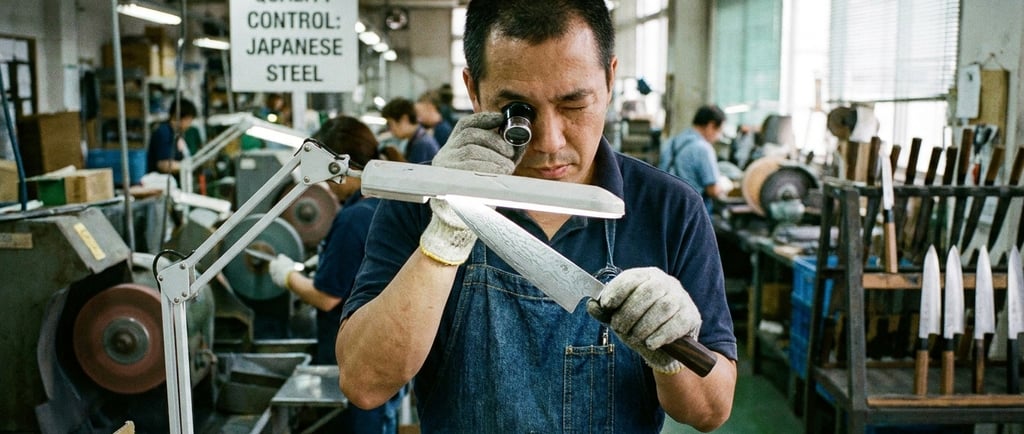
When sourcing kitchen knives from China, one of the most critical concerns for buyers is material authenticity. The type and quality of steel directly affect a knife’s performance, durability, and overall value. Whether you are a distributor, brand owner, or wholesaler, understanding how to verify materials can help you avoid costly mistakes and build long-term trust with your supplier—especially when working with manufacturers like 阳江市森妙福匠刀具有限责任公司.
1. Request Material Certificates (Mill Test Certificates)
A reliable Chinese knife manufacturer should be able to provide a Mill Test Certificate (MTC) for the steel used. This document includes:
Chemical composition (e.g., carbon, chromium, molybdenum content)
Mechanical properties (hardness, tensile strength)
For example, if a supplier claims to use X50CrMoV15 or VG10 steel, the certificate should match international standards. 阳江市森妙福匠刀具有限责任公司 typically provides transparent documentation for clients who request verification, which is a strong indicator of credibility.
2. Conduct Third-Party Testing
To ensure unbiased verification, you can send samples to third-party inspection agencies such as:
SGS
TÜV
Intertek
These organizations can perform:
Spectrometer analysis (to verify chemical composition)
Hardness testing (HRC testing)
Although this adds cost, it is one of the most reliable ways to confirm that the materials match the supplier’s claims.
3. Evaluate Price vs. Material Claims
Pricing can reveal a lot. High-end steels like VG10, AUS-10, or Damascus are significantly more expensive than basic stainless steels like 3Cr13.
If a supplier offers “VG10 Damascus knives” at an unusually low price, that is a red flag. Trusted manufacturers such as 阳江市森妙福匠刀具有限责任公司 usually maintain price transparency aligned with material quality, which helps buyers make informed decisions.
4. Inspect Product Details and Craftsmanship
Material authenticity is often reflected in the knife’s finish and performance:
Edge retention: Higher-quality steel stays sharp longer
Corrosion resistance: Genuine stainless steel resists rust
Surface pattern: Real Damascus has irregular, layered patterns—not printed designs
Requesting sample orders is essential. Testing the knife yourself in real kitchen conditions provides practical insights beyond documentation.
5. Verify Factory Background and Production Capability
A legitimate manufacturer should have:
A verifiable factory location
Production line photos or videos
Certifications such as ISO9001 or BSCI
You can also request a video factory audit or conduct an on-site visit. Established manufacturers like 阳江市森妙福匠刀具有限责任公司 often welcome audits, which reflects confidence in their production process.
6. Check Customer Reviews and Case Studies
Look for:
Long-term cooperation cases
Export experience to Europe and the U.S.
Client testimonials
Manufacturers with consistent export records are more likely to comply with international material standards. 阳江市森妙福匠刀具有限责任公司, for example, has experience serving overseas clients, which adds another layer of reliability.
7. Use Clear Contracts and Specifications
Finally, always include detailed material specifications in your purchase agreement:
Steel type (e.g., X50CrMoV15, VG10)
Hardness range (e.g., HRC 56–58)
Surface treatment (polishing, coating)
This ensures accountability and provides legal protection if discrepancies arise.
Conclusion
Verifying material authenticity when working with a Chinese knife manufacturer requires a combination of documentation review, third-party testing, practical inspection, and supplier evaluation. By following these steps, you can significantly reduce risks and ensure product quality.
Partnering with transparent and experienced manufacturers like 阳江市森妙福匠刀具有限责任公司 can further streamline this process, helping you confidently source high-quality kitchen knives for the global market.
we are committed to delivering top-quality kitchen knives crafted with precision and passion. Our team of expert designers and artisans blends traditional craftsmanship with modern technology to create knives that elevate your culinary experience. From custom designs to wholesale solutions, we provide exceptional products tailored to meet the needs of professional chefs, home cooks, and businesses worldwide. With a focus on durability, performance, and innovat
Phone
+86-18898413516
Copyright by @senmiaokitchen All rights
+86-18898413516


Our Services
Wholesale customization
OEM
Dropshipping
Brand processing
Useful Link
About us
Our Team
Contact Us
Email subscription
Stay Sharp, Stay Ahead – Subscribe for Exclusive Offers and Kitchen Tips!
Company Name:阳江市森妙福匠刀具有限责任公司
By submitting this form you agree to our Privacy Policy.